A Heartbroken Confession and a Stinging Rebuke: Sturla Holm Lægreid's Ex-Girlfriend Speaks Out
The world of elite sports often serves as a stage for incredible triumphs and heartbreaking defeats. Yet, occasionally, it becomes the unlikely backdrop for deeply personal dramas that transcend the athletic arena. Such was the case recently when Norwegian biathlon star Sturla Holm Lægreid, fresh off a bronze medal win, delivered an unprompted and emotional public confession of infidelity. His candid admission, which quickly went viral, set off a wave of discussions about relationships, public apologies, and the intense scrutiny faced by public figures. Now, the woman at the heart of the storm, Sturla Holm Lægreid's ex-girlfriend, has broken her silence, offering a poignant and powerful response that underscores the profound difficulty of forgiveness and the unwanted glare of the media spotlight.
Her statement, delivered anonymously to a Norwegian newspaper, revealed the deep personal cost of Lægreid's actions and the subsequent public spectacle. Her words, particularly the phrase, "it is hard to forgive," resonated widely, offering a stark counterpoint to the athlete's tearful declaration. This incident not only overshadowed Lægreid's significant athletic achievement but also thrust his former partner into an unwilling public narrative, prompting vital conversations about privacy, empathy, and accountability.
The Bronze Medal Moment Overshadowed by a Bombshell Confession
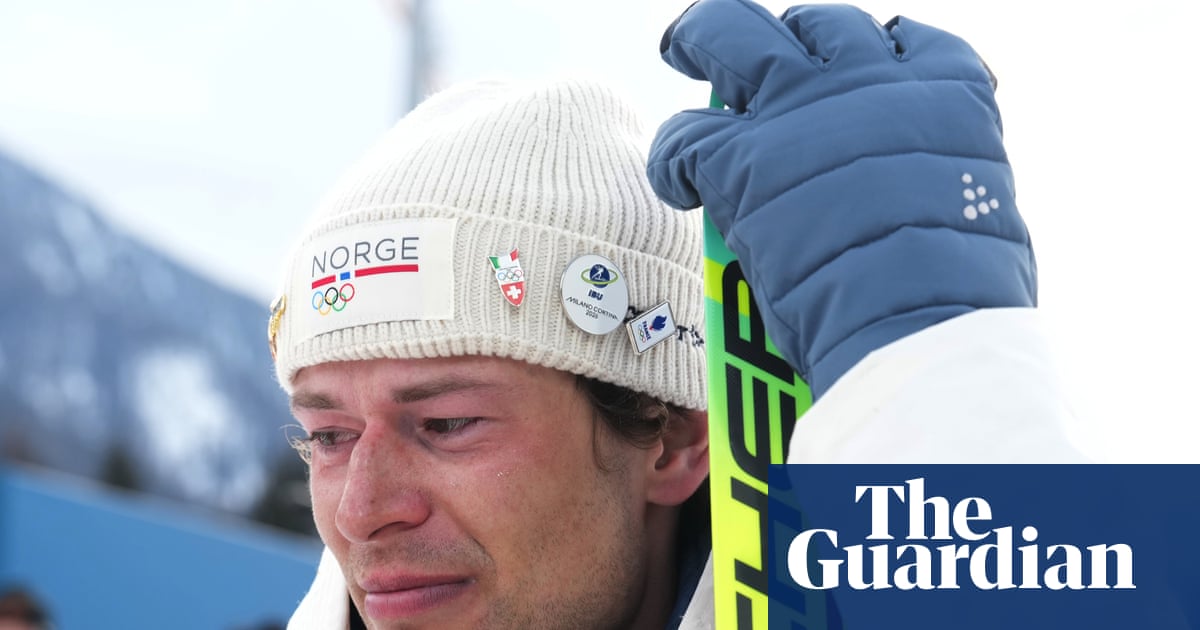
The scene was set for triumph. Sturla Holm Lægreid, already a celebrated figure in biathlon with Olympic gold and numerous World Championship medals, had just clinched a bronze medal in the individual 20km event. It should have been a moment of unadulterated joy and celebration, a testament to his dedication and skill. However, what followed was a stunning departure from the typical post-competition interview. Unprompted and visibly emotional, Lægreid used his platform to deliver a raw, tearful confession that stunned viewers and journalists alike.
He spoke of meeting the "love of my life" half a year prior, describing her as the "world's most beautiful and nicest person." Then came the revelation: "Three months ago I made the mistake of my life and cheated on her, and I told her about that a week ago. This has been the worst week of my life." This deeply personal admission, delivered live on television, instantly eclipsed his athletic accomplishment. For many, it transformed a moment of sporting glory into a deeply human, if incredibly public, display of vulnerability and regret. The immediate fallout was immense, sparking widespread debate about the nature of public apologies and the boundaries of personal disclosure in professional sports. For a deeper dive into this initial event, read more about Laegreid's Public Confession Overshadows Biathlon Bronze Win.
"Hard to Forgive": The Ex-Girlfriend's Powerful Response
In the wake of Lægreid's highly publicized confession, the attention inevitably shifted to the anonymous woman he had betrayed. It wasn't long before Laegreid Girlfriend, as she became known through headlines, chose to respond. Her statement, conveyed through a Norwegian newspaper, offered a sobering perspective from the one most directly impacted by his infidelity and his subsequent public disclosure.
Her words were measured but firm: "It is hard to forgive. Even after a declaration of love in front of the whole world." This sentiment captured the immense personal struggle involved in forgiving a betrayal, especially one magnified by global media attention. She emphasized her desire for anonymity, stating, "I did not choose to be put in this position, and it hurts to have to be in it." This highlights a crucial ethical dimension of Lægreid's actions – his decision to make their private pain public, without her consent, thrust her into an unwanted spotlight.
She also confirmed that they had been in contact and that he was aware of her feelings regarding the matter. Amidst her pain, she extended heartfelt gratitude to her support system: "To my family and friends who have embraced me and supported me during this time, also to everyone else who has thought of me and sympathised, without knowing who I am." Her resilience and dignity in the face of such a public ordeal resonated deeply with many, underscoring the universal need for support during personal crises. For more insights into her reaction to the unwanted media attention, you can read Laegreid Affair: Ex-Girlfriend on Unwanted Media Spotlight.
The Ethics of Public Confession: Timing, Impact, and Apology
The immediate aftermath of Lægreid's confession saw widespread criticism, not just for the act of infidelity itself, but for the timing and manner of his public apology. Many felt that his personal drama unfairly overshadowed the achievements of other athletes. The winner of the race, Johan-Olav Botn, for instance, had shouted "We did it Sivert!" into the cameras, acknowledging fellow biathlete Sivert Guttorm Bakken, who tragically died the previous Christmas. The anonymous ex-girlfriend herself pointed out this significant detail, highlighting how Lægreid's confession detracted from this powerful and respectful tribute.
Recognizing the misstep, Lægreid later issued a second apology, specifically addressing the negative impact of his initial statement. "I sincerely apologise for revealing this personal story on a happy day for Norwegian biathlon. I am not myself and not thinking clearly," he stated. He extended this apology to Johan-Olav Botn, who deserved the spotlight, and once again to his former girlfriend, expressing hope that she was "doing OK" despite being "put in the media spotlight without her wish." He pledged to make no further comments, aiming to move past the incident and refocus on the Olympics.
This sequence of events raises pertinent questions about the responsibilities of public figures:
- Timing is Everything: When is it appropriate to share deeply personal information on a public platform? Lægreid's initial apology highlighted a lack of foresight regarding the broader implications.
- Consent and Privacy: The decision to publicize a private relationship issue, especially without the explicit consent of the other party, can have severe ethical repercussions, as illustrated by the ex-girlfriend's distress.
- Impact on Others: How do personal revelations from high-profile individuals affect those around them, both directly involved and indirectly (like fellow athletes or the sport itself)?
Navigating Betrayal and Public Scrutiny: Insights and Tips
The situation involving Sturla Holm Lægreid and his ex-girlfriend offers a compelling case study on how personal crises, particularly those involving infidelity, can escalate when thrust into the public domain. For individuals, whether famous or not, dealing with betrayal is an agonizing process, and the added layer of public scrutiny can exacerbate the pain and complexity.
Understanding Forgiveness
The ex-girlfriend's statement, "it is hard to forgive," resonates with universal human experience. Forgiveness is not about condoning the actions of the betrayer, nor is it a quick fix. It is a complex, often lengthy, journey that may or may not lead to reconciliation. It's a personal choice that involves processing deep emotional wounds, grieving the loss of trust, and ultimately deciding whether one can move forward with a sense of inner peace. There is no timeline for forgiveness, and for some, it may never fully arrive, which is a valid and understandable outcome.
The Weight of Public Opinion
For those caught in the fallout of a public figure's actions, the sudden loss of privacy can be devastating. The ex-girlfriend's experience highlights the burden of unwanted attention, where personal pain becomes fodder for public discussion and speculation. It underscores the importance of:
- Protecting Anonymity: Respecting the wishes of private individuals caught in public scandals is paramount.
- Focusing on Personal Well-being: In such situations, prioritizing mental and emotional health, seeking support from trusted friends, family, or professionals, becomes critical.
- Controlling the Narrative (Where Possible): While difficult, reclaiming agency through carefully considered statements, or choosing complete silence, can be empowering.
Actionable Advice for Managing Personal Crises (Public or Private)
While most of us won't face global scrutiny, the lessons from this incident are broadly applicable:
- Prioritize Privacy: Before discussing sensitive personal matters, consider the audience and potential ramifications. Private matters are often best handled privately, especially initially.
- Seek Support: Lean on a trusted circle of friends, family, or professional counselors. They can provide emotional support and objective advice without judgment.
- Communicate Directly (and Privately): If a confession or apology is needed, a direct, private conversation with the affected party is almost always more appropriate and respectful than a public declaration.
- Understand the Impact: Before making any public statement, consider how it might affect all parties involved, particularly those who have not consented to be part of a public narrative.
- Practice Self-Compassion: Whether you are the one who erred or the one who was wronged, be kind to yourself. Healing takes time and effort.
Conclusion
Sturla Holm Lægreid's public confession and the subsequent powerful response from his ex-girlfriend have provided a rare, unvarnished look into the complexities of human relationships, betrayal, and the unforgiving nature of the public spotlight. Her statement, "it is hard to forgive," not only offered a poignant personal truth but also served as a stark reminder that even declarations of love on a world stage cannot instantly mend a broken trust. The incident stirred vital conversations about the ethics of public figures disclosing private matters, the importance of consent, and the profound impact such actions have on those closest to them. As the world moves on, the echoes of this personal drama will likely linger, prompting reflection on empathy, accountability, and the enduring challenge of navigating personal pain in an increasingly public world.